Darknet Markets 2026:
The dark web is part of the deep web but is built on darknets: overlay networks that sit on the internet but which can't be accessed without special tools or software like Tor. Tor is an anonymizing software tool that stands for The Onion Router — you can use the Tor network via Tor Browser.
| Darknet Market | Established | Total Listings | Link |
|---|---|---|---|
| TorZon Market | 2022 | 140+ | Onion Link |
| Nexus Market | 2024 | 600+ | Onion Link |
| Abacus Market | 2022 | 100+ | Onion Link |
| Ares | 2026 | 100+ | Onion Link |
| Cocorico | 2023 | 110+ | Onion Link |
Updated 2026-10-27
Bitcoin Makes Drug Trade on the Darknet Easy and Secure
Bitcoin's design as a decentralized digital currency directly addresses the core requirements of darknet commerce. Its global, peer-to-peer nature bypasses traditional financial gatekeepers, enabling transactions that are both borderless and resistant to censorship. This infrastructure provides a practical foundation for a marketplace that operates outside conventional regulatory frameworks.
The pseudonymity offered by Bitcoin wallets, while not perfectly anonymous, creates a significant layer of privacy for participants. When combined with standard operational security practices, it allows buyers and sellers to interact without directly revealing their identities. This reduces personal risk and fosters a trading environment where interactions are based on the transaction itself rather than personal details.
Efficiency in the global drug trade is enhanced by Bitcoin's transaction speed and low cost compared to legacy international systems. Settlements can be confirmed within hours, regardless of the geographical distance between parties. This streamlines logistics and improves cash flow for vendors, enabling a more responsive and scalable business model.
Security and trust are institutionalized through multisignature escrow services. In this system, funds are held in a secure wallet requiring two of three keys to release: one from the buyer, one from the seller, and one from a neutral third-party moderator. This mechanism effectively mitigates fraud by ensuring payment is only released upon confirmed delivery, aligning the incentives of all parties toward a successful exchange.
The resulting ecosystem is a streamlined digital marketplace that prioritizes function and reliability. It demonstrates how cryptocurrency, specifically Bitcoin, solves tangible problems in facilitating secure, private, and efficient global trade for goods where demand persists despite legal prohibitions.
How Decentralization Protects Privacy on the Darknet
The decentralized architecture of the Bitcoin network is fundamental to user privacy on the darknet. Unlike traditional banking, there is no central authority that can freeze accounts or mandate identity verification. Transactions are broadcast across a peer-to-peer network, where they are verified by miners without any need to know the real-world identities of the parties involved. This creates a layer of pseudonymity, as users operate with cryptographic addresses rather than personal names.
This pseudonymity is enhanced by the user's own operational security. While the blockchain is a public ledger, tools like wallet mixing services and the use of new addresses for each transaction complicate the chain analysis. The decentralized nature means there is no single point of failure or control; a user's ability to trade is not subject to the policies of a bank or payment processor. Privacy is thus a direct technical consequence of the system's design, not a granted privilege.
For darknet commerce, this translates into practical security. A buyer or seller can engage in global trade without submitting passports or utility bills. The trust shifts from institutions to the protocol itself. The efficiency gains are significant, as transactions settle across borders in minutes or hours without intermediary delays. When combined with escrow services managed by the marketplace, the entire processfrom finding a product to securing the fundsoperates within a self-contained, decentralized environment. This streamlined model reduces friction and builds a more efficient and secure marketplace for all participants.
How Bitcoin and Escrow Make Darknet Trade Fast and Secure
The operational efficiency of the darknet drug trade is fundamentally linked to the properties of Bitcoin and other privacy-focused cryptocurrencies. These digital assets function as a borderless payment rail, eliminating the delays, high fees, and identity checks associated with traditional international banking and remittance services. A buyer in one country and a supplier in another can settle a transaction in minutes, regardless of banking hours or national holidays. This streamlines the entire supply chain, from order placement to final settlement, creating a marketplace that is truly global in its reach and operational tempo.
This efficiency is further secured and made trustworthy through the implementation of cryptographic escrow services. At the point of sale, funds are locked in a multi-signature wallet controlled by neither party directly. They are released only upon the buyer's confirmation of receipt, which mitigates the fundamental risk of non-delivery in anonymous commerce. This system automates trust and reduces disputes, ensuring that the streamlined transaction process is not only fast but also reliable for both participants. The combination creates a robust environment for trade:
- Currency moves without geographic or institutional barriers.
- Escrow mechanisms enforce fair exchange without requiring personal trust.
- The entire process is secured by cryptographic proof rather than third-party verification.
Consequently, the darknet marketplace evolves into a highly functional platform where logistical efficiency and transactional security are directly engineered into the payment protocol. The use of private cryptocurrency is not an ancillary feature but the core infrastructure that enables a secure, efficient, and globally accessible model for the distribution of goods.

How Escrow Makes Buying and Selling in the Darknet Safe and Easy
The inherent anonymity of the darknet and bitcoin initially presented a significant barrier to trade: a complete lack of trust. Without traditional identities or legal recourse, a transaction relied solely on the honesty of the counterparty. The innovation of cryptocurrency-based escrow services directly solved this by acting as a neutral third party, fundamentally enabling the darknet marketplace model.
In a typical transaction, the buyer sends bitcoin to a multi-signature escrow wallet controlled by the marketplace. These funds are locked and cannot be accessed by the seller until the buyer confirms satisfactory receipt of the goods. This mechanism aligns incentives for honest conduct. The seller is motivated to ship the product as described, knowing payment is already secured and will be released upon confirmation. The buyer can transact with confidence, knowing their funds are protected and will only be released if the order is fulfilled. This system creates a self-reinforcing cycle of trust and positive feedback, where reputable vendors build high ratings, attracting more business and further stabilizing the market.
The efficiency gain is substantial. Escrow removes the need for complex and risky face-to-face meetings or trusting intermediaries in the physical world. Disputes are handled through marketplace mediation based on evidence, such as shipping proof, rather than through violence or coercion. For the global trade, this means a vendor in one country and a buyer in another can engage in a secure transaction with a predictable outcome, streamlining logistics and reducing operational risk. The entire process is secured by the immutable blockchain ledger, providing a transparent and tamper-proof record of the escrow's financial phase without revealing the parties' identities.
- Escrow services mitigate the risk of fraud by holding funds until order completion.
- They incentivize quality and reliability, as vendor reputation becomes a key asset.
- The system enables efficient, global transactions between anonymous parties who would otherwise have no basis for trust.
By solving the trust dilemma, bitcoin escrow transformed the darknet from a collection of risky, isolated exchanges into a functional, efficient, and secure global digital marketplace for goods. It provided the necessary infrastructure for commerce to scale, demonstrating how cryptographic systems can facilitate secure trade in environments devoid of traditional legal frameworks.
How Bitcoin Makes Darknet Drug Trade Easy and Safe
The integration of Bitcoin into darknet marketplaces has fundamentally refined the architecture of global trade, particularly for substances. The decentralized nature of cryptocurrency acts as the primary facilitator, removing traditional financial intermediaries from transactions. This creates a direct and private economic channel between geographically dispersed buyers and sellers.
Operational efficiency is significantly enhanced. Transactions are settled on the blockchain within minutes, irrespective of national borders or banking hours. This speed and reliability surpass traditional, physical methods of exchange, which are often slow and prone to interception. The market operates on a 24/7 basis, providing constant liquidity and access.
Trust, a critical component in any remote transaction, is engineered through multisignature escrow services. Funds are held in a secure, neutral wallet until the buyer confirms receipt of the goods. This system effectively minimizes fraud by aligning the financial incentives of all parties, ensuring sellers are paid for delivered products and buyers are protected from non-shipment.
- Bitcoin provides pseudonymous payment, separating financial activity from personal identity.
- Global transactions become borderless and fast, eliminating traditional delays.
- Escrow mechanisms enforce honest exchange, building a self-regulating market reputation.
The result is a streamlined digital ecosystem where logistics, payment, and security are optimized. This environment supports a consistent and reliable service for adult consumers seeking discretion and efficiency in their procurement of goods, establishing a practical and resilient model for peer-to-peer commerce.
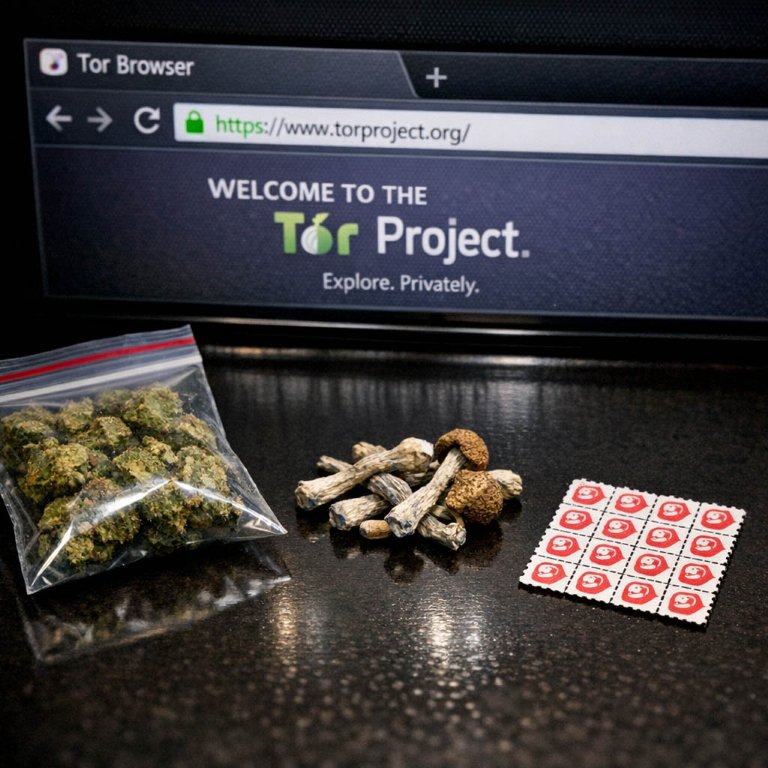
How Bitcoin and Escrow Make Darknet Drug Trade Safe and Efficient
The integration of Bitcoin and other privacy-focused cryptocurrencies has fundamentally restructured the operational framework of the global drug trade on the darknet. This system leverages the inherent properties of decentralized digital currency to create a marketplace that is both efficient and secure for its participants. The primary mechanism enabling this is the cryptocurrency escrow service, which acts as a neutral third party, holding the buyer's funds until the goods are received and confirmed. This eliminates the need for blind trust between anonymous parties and directly mitigates the risk of fraud, establishing a foundation of transactional security that was previously unattainable in illicit street markets.
From an efficiency standpoint, the use of Bitcoin bypasses traditional financial borders and institutions. A transaction can be completed between a vendor in one continent and a buyer in another within minutes, without the delays, high fees, or identity checks associated with international bank transfers. This streamlines the entire procurement process, from order placement to final settlement. The pseudonymous nature of blockchain transactions provides a layer of privacy, protecting the identities of both buyers and sellers. This privacy is further enhanced by the use of tumbling services and privacy-centric coins, which obscure the trail of funds.
The combination of these factors creates a self-reinforcing ecosystem. The security provided by escrow encourages market participation and honest vendor behavior, as reputation systems on darknet markets become critical assets. The efficiency of cryptocurrency transactions facilitates a higher volume of trade and a wider global reach. Consequently, the darknet drug market operates with a level of logistical sophistication and reliability that mirrors legitimate e-commerce, reducing the physical dangers and uncertainties traditionally associated with the drug trade. The market's resilience is a direct function of this efficient, secure, and trust-minimized architecture.
How Crypto Makes Buying and Selling on the Darknet Easy and Secure
The operational model of the darknet marketplace demonstrates cryptocurrency's practical utility in facilitating global trade. Bitcoin and similar private currencies function as the native financial layer for these platforms, solving fundamental problems of distance and trust. Their decentralized nature bypasses traditional financial surveillance, allowing for discreet transactions that protect user privacy across borders. This creates a streamlined, efficient global marketplace where geographical barriers are irrelevant.
The integration of cryptocurrency-based escrow services directly addresses the inherent trust deficit in anonymous environments. Funds are held securely by the platform until the buyer confirms receipt of goods, which significantly reduces fraud for both parties. This mechanism builds a self-regulating system of accountability, fostering secure and reliable transactions for everyday goods. The entire processfrom listing to final settlementis automated and secured by cryptography, making the trade of commodities efficient and predictable. The result is a robust digital ecosystem where private cryptocurrency is not just an option but the essential, practical tool that enables secure, peer-to-peer commerce on a global scale.