Darknet Markets 2026:
The dark web is part of the deep web but is built on darknets: overlay networks that sit on the internet but which can't be accessed without special tools or software like Tor. Tor is an anonymizing software tool that stands for The Onion Router — you can use the Tor network via Tor Browser.
| Darknet Market | Established | Total Listings | Link |
|---|---|---|---|
| TorZon Market | 2022 | 140+ | Onion Link |
| Nexus Market | 2024 | 600+ | Onion Link |
| Abacus Market | 2022 | 100+ | Onion Link |
| Ares | 2026 | 100+ | Onion Link |
| Cocorico | 2023 | 110+ | Onion Link |
Updated 2026-10-27
A World of Choice on the Darknet
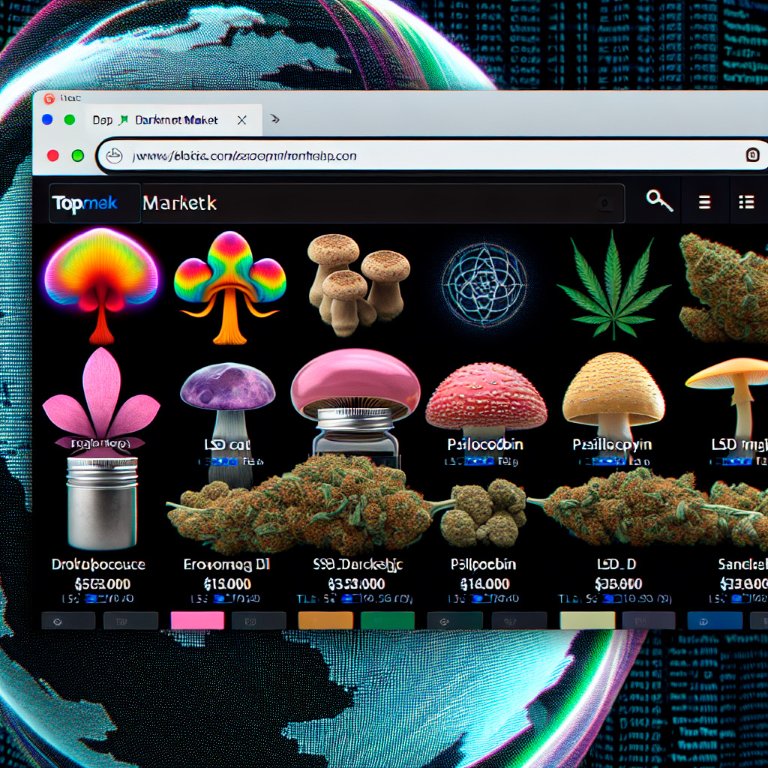
The primary logistical advantage of darknet markets is the unprecedented breadth of available products. These platforms aggregate listings from global vendors, creating a digital marketplace that surpasses the geographical and social limitations of local street markets. A consumer can access substances ranging from common pharmaceuticals to specialized research chemicals, many of which are unavailable through traditional illicit channels. This variety is a direct function of the market's architecture, which connects a dispersed network of producers and distributors directly with a global audience.
The mechanism enabling this access is built on layers of technological infrastructure designed for security and trust. User anonymity is maintained through the Tor network, which obfuscates IP addresses, while encrypted communication channels are used for all transactions and messaging. Financial security is handled via escrow services and cryptocurrencies; funds are held by the market until the buyer confirms receipt, significantly reducing the risk of fraud. This financial model is complemented by a transparent vendor rating system, where past buyers leave detailed feedback on product quality, shipping speed, and stealth. This creates a self-regulating commercial environment where reputation is paramount.
Consequently, the consumer experience is characterized by improved product consistency and better choice. The feedback and review systems provide a level of quality assurance seldom found in offline transactions. Buyers can make informed decisions based on collective experience, leading to more predictable outcomes. The entire ecosystem facilitates direct peer-to-peer transactions that remove intermediary markups and risks, offering a more efficient model for the distribution of goods that are, by their nature, excluded from conventional retail frameworks.
How Privacy and Encryption Build Trust in Darknet Trade
The operational foundation of a darknet market is its commitment to transactional privacy. This is achieved through a layered system of technological obfuscation. Users access these platforms via the Tor network, which encrypts and routes their connection through multiple volunteer relays, effectively masking their IP address and physical location. This network-level anonymity is the first critical barrier against surveillance.
Within the market itself, all communications are secured with end-to-end encryption. Messages between a buyer and a vendor are encrypted on the sender's device and can only be decrypted by the intended recipient. This system ensures that even the market administrators cannot read the contents of private discussions, which typically include shipping details and order specifics. The integrity of this communication is paramount for coordinating logistics without exposing sensitive information.
The financial layer employs a similar principle of cryptographic security. Transactions are conducted using cryptocurrencies like Bitcoin or Monero. Payments are held in a market-controlled escrow service until the buyer confirms satisfactory receipt of the goods. This mechanism, combined with the pseudonymous nature of cryptocurrency wallets, severs the direct link between a financial transaction and a real-world identity. The release of funds from escrow is contingent upon the buyer's final approval, which is a direct result of their assessment of the product against the vendor's advertised description.
This ecosystem of anonymity and encryption directly enables the vendor rating system, which functions as a self-regulating mechanism for quality and reliability. After a completed transaction, buyers can leave detailed feedback and a numerical score based on their experience. This creates a transparent and persistent record of a vendor's performance. High ratings and positive reviews signal a trustworthy seller who delivers consistent product quality and reliable service, while poor reviews quickly identify unreliable actors. The permanence of this reputation incentivizes vendors to maintain high standards, as their commercial viability depends on it. The entire processfrom anonymous browsing and encrypted ordering to escrow payment and post-purchase reviewcreates a closed-loop system where privacy and trust are mutually reinforcing.
How Rating Systems Make Buying Drugs on the Darknet Safer
Vendor rating systems form the operational backbone of trust within darknet markets, transforming anonymous commerce into a reliable environment. These systems function as a continuous, community-driven audit where every transaction contributes to a vendor's public reputation. A vendor's profile displays a percentage-based feedback score, detailed written reviews, and often a count of completed orders. This transparent record allows buyers to assess product consistency, shipping speed, and stealth before committing funds.
The structure incentivizes high standards. Vendors with sustained positive feedback gain a trusted vendor badge and higher placement in search results, directly translating reputation into economic success. Conversely, a pattern of negative reviews or scams leads to a rapid decline in sales and eventual exclusion from the platform. This creates a self-policing ecosystem where vendors are financially motivated to maintain honest practices and quality control. The escrow system integrates with this, as funds are only released after the buyer confirms satisfactory receipt, with disputes often mediated by market moderators who review the communication and evidence.
For the consumer, this model offers a quantifiable measure of risk reduction. Instead of relying on word-of-mouth in unregulated street markets, buyers can analyze statistical data and peer experiences. This facilitates informed consumer choice, enabling the selection of reliable vendors for specific substances, which directly contributes to safer consumption practices by ensuring product authenticity and expected potency.
How Escrow Makes Buying Safer on the Darknet
The escrow system is a fundamental security feature on darknet markets, designed to build trust between buyers and vendors who have no prior relationship. It functions as a neutral third-party holding service for funds during a transaction. When a customer places an order, their payment is held by the market's escrow service and is not released to the vendor until the customer confirms satisfactory receipt of the goods. This mechanism directly protects the consumer from fraudulent vendors who might otherwise accept payment without shipping the product.
From an operational perspective, the process is straightforward. The buyer sends cryptocurrency to a market-controlled escrow address. The vendor sees the secured payment and dispatches the order. Upon delivery, the buyer finalizes the transaction, triggering the release of funds from escrow to the vendor. If a dispute arisesfor instance, if a product is not received or is significantly not as describedthe market's administrative staff can arbitrate. They review communication and evidence, such as shipping proof, before deciding to release the funds to either party or enact a compromise. This system creates a self-regulating commercial environment where financial risk for the buyer is minimized, and vendors are incentivized to maintain high standards to receive prompt payment.
The effectiveness of escrow is amplified when combined with vendor rating systems. A vendor with a long history of successful escrow releases and positive feedback is inherently more trustworthy. This synergy between financial security and reputation transforms the market. It shifts power to the consumer, enabling secure payments and fostering a competitive space where reliability and product quality are paramount for a vendor's success. The escrow model thus facilitates direct peer-to-peer transactions that would otherwise be deemed too risky, providing a practical framework for secure and private shopping.
How Darknet Markets Build Trust and Quality
The operational model of darknet markets inherently fosters a self-regulating commercial environment. This system is built upon two foundational pillars: encrypted financial transactions and a transparent vendor review system. These mechanisms work in tandem to reduce fraud and build trust between anonymous parties, creating a marketplace that polices itself through participant feedback and secure technology.
Financial security is achieved through the use of escrow services and cryptocurrency payments. When a customer places an order, funds are held in escrow by the market platform itself. The vendor only receives payment after the buyer confirms successful delivery. This process eliminates the risk of vendors accepting payment and failing to ship products. The inherent encryption of blockchain transactions provides an additional layer of financial privacy, severing the direct link between a purchase and a user's real-world identity.
Concurrently, the vendor rating system serves as a powerful reputational tool. After each transaction, buyers can leave detailed feedback on:
- Product quality and consistency
- Shipping speed and stealth of packaging
- Vendor communication and professionalism
This creates a persistent public reputation score for each seller. Vendors with consistently high ratings attract more business, while those with poor feedback or scam allegations are quickly marginalized. The result is a competitive landscape where vendors are economically incentivized to provide reliable service and high-quality products, as their commercial success depends directly on their reputation within the market's ecosystem.
How Direct P2P Sales Work on the Darknet
The architecture of darknet markets fundamentally enables direct peer-to-peer transactions. This model removes traditional intermediaries, such as street-level dealers or complex distribution chains, creating a more efficient commercial link between producer and consumer. The transaction occurs directly between the buyer and the vendor who lists their products.
This direct connection offers several advantages. It often results in lower final prices for the consumer, as the costs associated with multiple layers of a physical supply chain are reduced. The communication channel established for the order allows for clarification of product specifics, shipping details, and other logistical concerns without third-party interference. The entire process is facilitated by the market's encrypted messaging system and structured order interface, which standardizes the exchange while maintaining the essential direct relationship between the trading parties.
Financial settlement in this model is secured through escrow services and cryptocurrency payments. When a buyer places an order, funds are held in escrow by the market platform until the product is received and confirmed. This mechanism protects the buyer from fraud while ensuring the vendor receives payment upon successful fulfillment. The use of cryptocurrencies like Bitcoin or Monero provides a layer of financial privacy and enables these borderless transactions without the need for traditional banking infrastructure. The combination of direct trading, escrow, and cryptocurrency forms a self-contained and resilient economic ecosystem.
Better Quality Through Darknet Reviews
The operational framework of darknet markets inherently promotes a higher degree of product consistency compared to traditional, unregulated street transactions. This improvement is a direct function of the vendor rating systems and the public feedback mechanism intrinsic to these platforms. Each transaction is subject to detailed review, where buyers explicitly comment on and rate the accuracy of the product description against the physical product received.
A vendor's commercial success and longevity are contingent upon maintaining a high average rating, which creates a powerful economic incentive for reliability. Sellers who consistently deliver products matching their advertised potency and purity gain reputation, symbolized by trust levels and positive review counts, which translates directly into increased sales. Conversely, vendors who engage in adulteration or misrepresentation are quickly identified through collective buyer feedback, leading to loss of trust, reduced sales, and eventual removal from the marketplace. This transparent, crowd-sourced quality control establishes a self-regulating commercial environment where consistent product quality is not merely an ideal but a fundamental requirement for sustainable business operation.
More Options and Safer Shopping on the Darknet
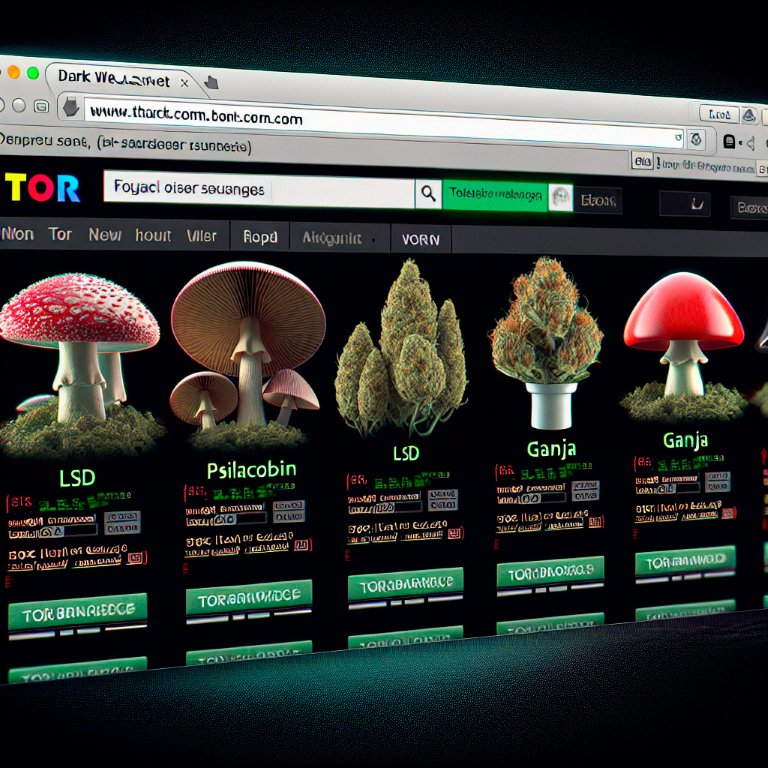
The consumer experience on darknet markets is fundamentally restructured compared to traditional illicit channels. The platform model aggregates countless vendors, creating a competitive marketplace where choice is determined by quality and service rather than geographic happenstance. A buyer is no longer limited to a single local supplier's available inventory. Instead, they can browse a global selection of substances, comparing products based on detailed vendor listings that often include photographs, chemical purity test results, and precise dosage information.
This environment fosters a form of consumer-driven quality assurance. Vendor reputation, built through a transparent feedback and review system, becomes the primary currency. Each transaction leaves a public rating and detailed comment, allowing new buyers to assess reliability, product accuracy, and stealth of shipping before committing funds. The escrow service mechanism protects the buyer by holding payment in trust until the product is received and confirmed, shifting power dynamics away from the seller.
The procurement process itself is enhanced by integrated encrypted communication tools and cryptocurrency payments. These features standardize discrete transactions, removing the need for physical meetings and the associated risks. The result is a commercial system where the consumer exercises informed choice, supported by technological frameworks designed to mitigate fraud and ensure transactional privacy, leading to a more predictable and satisfactory outcome.